Predictive analytics consulting

Make the next
decision less
of a guess.

Surge turns customer, media, and operating data into a practical view of what is likely to matter next, so teams can put effort and investment where they have the best chance to pay off.

Discuss your data opportunity ↗
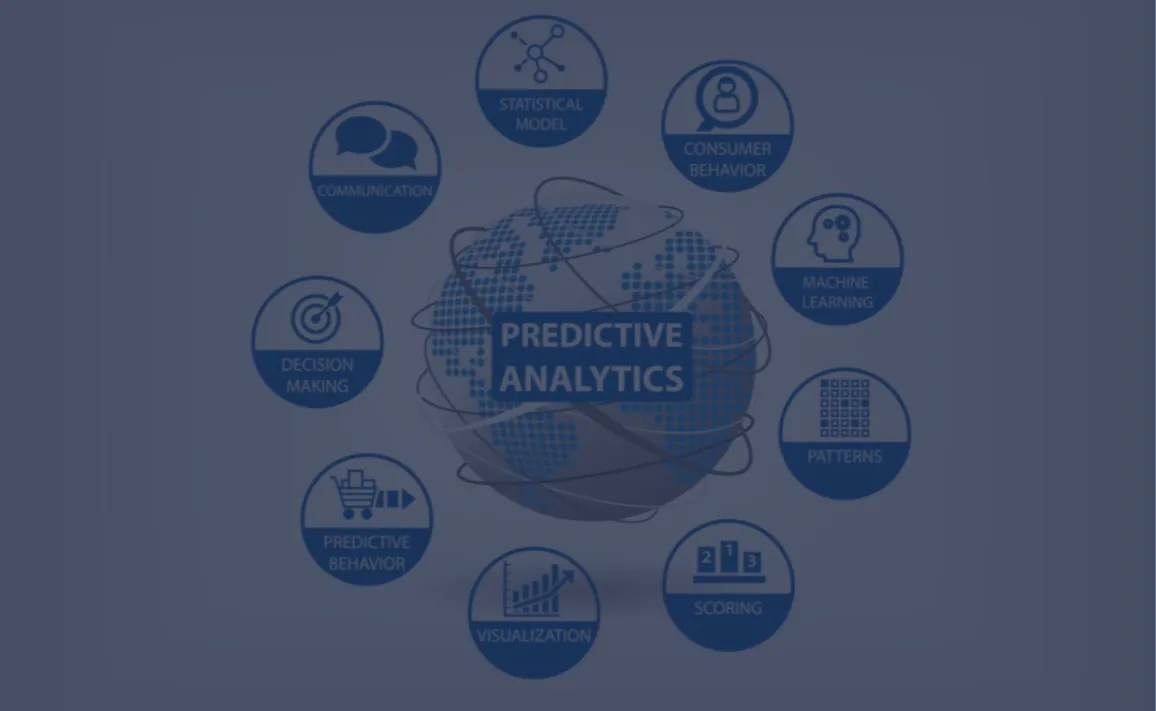
Predictive analytics dashboard with performance trends

The decision gap

Data should help
teams move.

Most organizations already have more data than they can comfortably use. Customer records, campaign reports, transaction history, operational activity, and outside signals can all be valuable. Yet when a high-stakes decision arrives, teams often still rely on a partial report, a platform recommendation, or the loudest opinion in the room.

Predictive analytics gives that decision a stronger starting point. It looks for patterns in the evidence already available, estimates what may happen under similar conditions, and turns that work into a clear recommendation a team can review, challenge, and use. The goal is not to replace expertise with a black box. It is to give expertise better evidence.

A useful starting point

From raw signals
to a better next move.

Every engagement is shaped around a business decision that has a real owner, a meaningful consequence, and an action the team can take.

01

Frame the decision

We start with the commercial question, not the model. That keeps the work tied to a choice the business genuinely needs to make.

  • Growth and retention priorities
  • Demand and revenue forecasting
  • Customer and audience prioritization
  • Investment and offer decisions
02

Build the view

Surge assesses the signals available, connects the relevant data, and develops an approach that makes the relationship between inputs and outcomes easier to understand.

  • Data readiness and source review
  • Predictive and diagnostic analysis
  • Scenario and sensitivity planning
  • Reporting design and validation
03

Put it to work

A result creates value only when it changes a decision. We help teams introduce the output into the rhythm of planning, activation, and review.

  • Decision rules and guardrails
  • Operational reporting
  • Testing and learning plans
  • Clear ownership and next actions

Where the value sits

Use the evidence
you have, then
improve it.

Predictive analytics is most useful when it reduces an expensive uncertainty. A growth team may need to know which prospects deserve more attention, whether a customer is likely to respond to an offer, what demand may look like next quarter, or which conditions are associated with stronger conversion and retention. An operations leader may need a clearer view of capacity, demand timing, or the customer patterns that put service at risk. The use case changes, but the discipline is the same: define the decision, identify the evidence, test the relationship, and make the result usable.

Surge approaches that work as a connected business problem. We look at the data itself, but also at the operating environment around it. A forecast that does not account for promotions, availability, market shifts, or changing media activity can create false confidence. A scoring model that is never introduced to the people choosing audiences or managing customer outreach becomes an interesting report. The strongest work keeps the analytical method close to the commercial context and the workflow it is meant to improve.

That also means being honest about readiness. Some teams are ready to build on well-structured historical data. Others need to start by clarifying definitions, resolving gaps, or creating a reliable reporting layer. Neither position is a failure. The right first engagement identifies what can be used today, what needs attention before a recommendation can be trusted, and where an incremental improvement can create real value without waiting for a perfect future state.

Good predictive work also creates a useful distinction between a signal and a decision. A score can show that a customer resembles people who acted before. A forecast can indicate that demand may move. Neither should become an automatic instruction without considering customer experience, capacity, risk, and the business goal. Surge helps teams make that distinction explicit, so analytical outputs inform judgment rather than quietly replacing it. The result is a more durable operating habit: use evidence to focus attention, test the action, and carry the learning into the next decision.
How a model becomes useful

Four conditions
for better
predictions.

Begin with a decision that can change.

A model should have a job. Before analysis begins, we clarify the decision, the person responsible for it, the possible actions, and the cost of getting it wrong. This keeps the work focused on an outcome the business can influence rather than a dashboard metric that simply describes the past.

Respect the business behind the data.

Numbers are not self-explanatory. A change in performance may reflect inventory, pricing, customer experience, seasonality, media pressure, a product launch, or an operational constraint. Surge brings those business realities into the analytical work so a pattern is interpreted with the context needed to use it responsibly.

Make the recommendation visible and testable.

Teams need to understand what the analysis is asking them to do and how success will be judged. We translate technical output into clear signals, expected tradeoffs, and practical guardrails. Where appropriate, we pair the recommendation with testing so the team can learn whether the change improves the result in its real operating environment.

Create a review rhythm, not a one-time reveal.

Customer behavior, channels, and business conditions move. Predictive analytics performs best when teams have a regular way to review the inputs, compare the expectation with the actual outcome, and refine the next decision. That gives the work a life beyond a single presentation and helps insight compound over time.

Performance in practice

A more precise
way to direct
investment.

15% growth in travel bookings

For a national member services organization, Surge developed a more rigorous customer-targeting approach that helped identify members most likely to respond to travel offers and improve advertising efficiency.

Read the data science case study ↗

How we work

Built around the
question your team
needs answered.

Surge works with leaders and operating teams who need their data to do more than report what happened. We bring together the business question, the analytical approach, and the practical path to action, whether the work sits within growth, customer strategy, ecommerce, operations, or a broader data program.

The engagement can begin with a single priority use case or become part of a wider performance intelligence plan. In either case, our role is to make the work clear enough for the people who own the result: what the evidence suggests, what it does not suggest, what should happen next, and how the team will learn from the outcome.

Frequently asked questions

Make the next
move clearer.

What does predictive analytics consulting include?+

Predictive analytics consulting can include defining the business decision to improve, assessing available data, building a practical model or forecasting approach, connecting outputs to reporting, and helping the operating team use the result in a repeatable decision process. The right scope depends on the question, the data, and the people who need to act on the result.

Does a company need perfect data before starting?+

No. A useful first step is understanding whether the available data can support the decision at hand and where the highest-value gaps sit. Surge helps teams separate the data improvements that are necessary for a trustworthy first use case from work that can wait, so a long data project does not delay a valuable decision.

What business questions can predictive analytics help answer?+

Predictive analytics can help teams prioritize likely customers, forecast demand, identify the factors shaping performance, improve offer or audience decisions, and plan investment around expected value. The method should follow the business question, not the other way around.

How does Surge make models useful to an operating team?+

Surge connects analysis to the people, process, and reporting that shape real decisions. That means agreeing on the outcome, the action a team can take, the guardrails that matter, and how performance will be reviewed after the recommendation is used.

Start with the opportunity

Put your data
to work on the
next decision.

Tell us which decision is carrying the most uncertainty. We will start with the evidence and action that matter most.